Dickens & Rumi
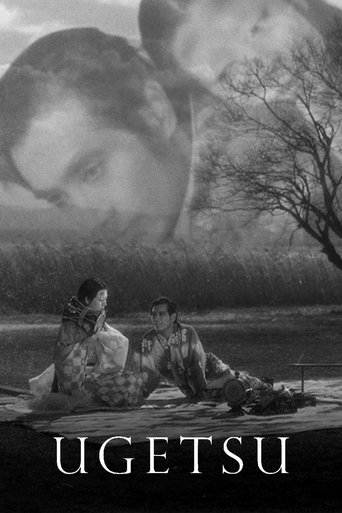
Cover of Ugetsu

film

Ugetsu

Age rating, content warnings & parent guide

1954

Is Ugetsu appropriate for your child? See the reviewed age guidance, content cautions, positive themes, and supporting evidence below.

In 16th century Japan, peasants Genjuro and Tobei sell their earthenware pots to a group of soldiers in a nearby village, in defiance of a local sage's warning against seeking to profit from warfare. Genjuro's pursuit of both riches and the mysterious Lady Wakasa, as well as Tobei's desire to become a samurai, run the risk of destroying both themselves and their wives, Miyagi and Ohama.

Source checked

Where to watch or buy

As an Amazon Associate, Dickens & Rumi may earn from qualifying purchases, at no extra cost to you.

10-second decision

Is this likely to fit your family?

Age guidanceNot listed
Strongest cautionsDeath of a character 4/5 · Frightening scenes 4/5 · Religious themes 4/5
Strongest positivesCreativity & curiosity 4/5 · Positive messages 4/5
Recommendation3/5

Creativity & curiosity; strongest caution: death of a character.

This is the quick scan. Open the evidence and methodology below for the basis behind each rating.

Quick context

What parents should know

Creativity & curiosity; strongest caution: death of a character.

Readiness snapshotMain watch-out: Death of a character 4/5
Recommendation 3/5

Editorial rating

How this review was built

Dickens & Rumi editorial
Source checkedPublication method
16Scored categories
16Evidence notes
0Explicit 0/5 checks
Oct 21, 2026Last updated

Dickens & Rumi describes what is present; families decide what matters to them. Community reactions are kept separate from official content ratings.

Review depth16 scored categories16 evidence notes

Quick view

At a glance

Recommended ageNot listed

Strongest cautions

  • Death of a character4/5
  • Frightening scenes4/5
  • Religious themes4/5

Strongest positives

  • Creativity & curiosity4/5
  • Positive messages4/5
  • Courage & resilience2/5

Keep going

What should you do next?

One review should lead naturally to the next useful choice.

What’s in it?

Death of a character4/5
Why this rating?

Deaths and devastating losses are central, including wartime mortality and emotionally painful consequences for families.

Graphic injury2/5
Why this rating?

Very limited; some brief depictions of aftermath, but not graphic.

Strong language1/5
Why this rating?

Dialogue is formal and period-appropriate, lacking modern profanity.

Religious themes4/5
Why this rating?

Buddhist ideas about attachment, greed, mortality, spiritual consequence, and family duty strongly shape the film’s themes and resolution.

Romance4/5
Why this rating?

Marriage, desire, infidelity, and a seductive supernatural relationship are central to the story, alongside strained spousal bonds.

Frightening scenes4/5
Why this rating?

Ghostly encounters, ominous atmosphere, possession-like unease, and supernatural danger create sustained adult-oriented dread.

Sexual content & nudity2/5
Why this rating?

Sexual desire, seduction, and implied intimacy are important, including coercive or transactional elements, but activity is not shown explicitly.

Alcohol or drugs1/5
Why this rating?

Occasional drinking shown in social or tavern settings.

Violence3/5
Why this rating?

Wartime raids, armed conflict, threats, assault, and combat-related danger are shown, though the film is more tragic and atmospheric than action-driven.

What’s good in it?

Courage & resilience2/5
Why this rating?

Characters endure war, poverty, displacement, and supernatural danger; the film distinguishes steadfast responsibility from reckless ambition.

Creativity & curiosity4/5
Why this rating?

Its inventive blend of historical drama, folklore, ghost story, symbolism, and striking visual storytelling strongly invites interpretation and imagination.

Diverse representation1/5
Why this rating?

Features an all-Japanese cast; consistent with the historical setting.

Educational value2/5
Why this rating?

It offers substantial insight into sixteenth-century Japanese war, social hardship, gendered vulnerability, family life, and cultural beliefs.

Kindness & empathy2/5
Why this rating?

Care between spouses and family members matters, but kindness is repeatedly tested by ambition, fear, betrayal, and exploitation.

Positive messages4/5
Why this rating?

It strongly critiques greed, vanity, abandonment of family, exploitation, and war while emphasizing responsibility, humility, fidelity, and compassion.

Good role models2/5
Why this rating?

Characters are deliberately flawed and make harmful choices, though some eventually show accountability, endurance, love, and responsibility.

Family discussion

Talk about it

Conversation starters based on this title’s published content notes.

  1. What was the most imaginative idea in the story, and what would you add to it?
  2. How did the story approach death or loss? What helped the characters cope?
  3. Which choice in Ugetsu would you have made differently, and why?
  4. Who changed the most in Ugetsu, and what caused that change?
Discuss this title with other parents

Community perspective — separate from editorial ratings

What families noticed

Community signal

Community ratings and written reactions are a separate layer. They do not automatically change Dickens & Rumi’s official age guidance or content scores.

Add your perspective

Sign in from the homepage to rate this title.

These content notes are a starting point, not a guarantee. Review the evidence and use your own judgment before choosing a title.

Something wrong with this guide? Report age, caution, series, cover, or title issues.