Dickens & Rumi
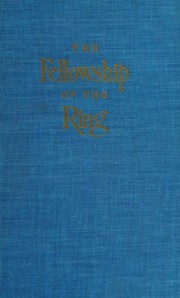
Cover of The Fellowship of the Ring

book

The Fellowship of the Ring

Age rating, content warnings & parent guide

J.R.R. Tolkien · 1954

Is The Fellowship of the Ring appropriate for your child? See the reviewed age guidance, content cautions, positive themes, and supporting evidence below.

Explore the age guidance, content cautions, positive qualities, and supporting notes for The Fellowship of the Ring by J.R.R. Tolkien. This book is content notes include Death of a character, Frightening scenes, Violence; positive qualities include Courage & resilience, Creativity & curiosity.

Book 1 · The Lord of the RingsSource checked

Where to get it

As an Amazon Associate and Bookshop.org affiliate, Dickens & Rumi may earn a small commission from qualifying purchases, at no extra cost to you.

10-second decision

Is this likely to fit your family?

Age guidanceNot listed
Strongest cautionsDeath of a character 4/5 · Frightening scenes 4/5 · Violence 4/5
Strongest positivesCourage & resilience 5/5 · Creativity & curiosity 5/5
Series positionBook 1 · The Lord of the Rings
Recommendation4.8/5

Courage & resilience; strongest caution: death of a character.

This is the quick scan. Open the evidence and methodology below for the basis behind each rating.

Quick context

What parents should know

Courage & resilience; strongest caution: death of a character.

Readiness snapshotMain watch-out: Death of a character 4/5
Recommendation 4.8/5

Editorial rating

How this review was built

Dickens & Rumi editorial
Source checkedPublication method
15Scored categories
15Evidence notes
0Explicit 0/5 checks
Nov 1, 2026Last updated

Dickens & Rumi describes what is present; families decide what matters to them. Community reactions are kept separate from official content ratings.

Review depth15 scored categories15 evidence notes
Show Wikipedia summary

Open to load a short Wikipedia summary.

Quick view

At a glance

Recommended ageNot listed

Strongest cautions

  • Death of a character4/5
  • Frightening scenes4/5
  • Violence4/5

Strongest positives

  • Courage & resilience5/5
  • Creativity & curiosity5/5
  • Positive messages5/5

Reading order

Series progression

All known volumes are shown. Reviewed books include age guidance and cautions; books still being reviewed are clearly marked.

Next volumeBook 2 · The Two TowersStrongest cautions: Death of a character 4/5 · Frightening scenes 4/5Open next review →
  1. The Hobbit
    Frightening scenes4/5Death of a character3/5Violence3/5Alcohol or drugs1/5Graphic injury1/5Religious themes1/5Strong language1/5
    Starting point
  2. Book 1 · The Fellowship of the Ring
    Death of a character4/5Frightening scenes4/5Violence4/5Graphic injury2/5Religious themes2/5Alcohol or drugs1/5Romance1/5Strong language1/5
    Gets more intense
  3. Book 2 · The Two Towers
    Death of a character4/5Frightening scenes4/5Violence4/5Graphic injury2/5Alcohol or drugs1/5Religious themes1/5Romance1/5Strong language1/5
    About the same
  4. Book 3 · The Return of the King
    Death of a character5/5Violence5/5Frightening scenes4/5Graphic injury3/5Religious themes2/5Romance2/5Alcohol or drugs1/5Strong language1/5
    Gets more intense

Keep going

What should you do next?

One review should lead naturally to the next useful choice.

What’s in it?

Death of a character4/5
Why this rating?

Character deaths and histories of loss are important to the quest, including the fall of Gandalf and the death of the Dwarves in Moria.
Graphic injury2/5
Why this rating?

Injuries and deaths occur, but graphic bodily detail is generally limited and less explicit than in many modern fantasy novels.

Strong language1/5
Why this rating?

The elevated, archaic prose includes insults, threats, and battle language, but little modern profanity.

Religious themes2/5
Why this rating?

The story contains mythic creation, providence-like forces, ritual language, and spiritual beings, but not organized real-world religious practice.

Romance1/5
Why this rating?

Romance is peripheral; affection and loyalty matter more than dating or courtship in this volume.

Frightening scenes4/5
Why this rating?

Black Riders, barrow-wights, cursed weapons, dark forests, Moria, Orcs, and the Balrog create sustained frightening atmosphere and suspense.

Alcohol or drugs1/5
Why this rating?

Hobbits smoke fictional or quasi-fictional pipe-weed; it is presented as a cultural habit rather than a major danger theme.

Violence4/5
Why this rating?

Frequent fantasy combat and peril include attacks by Riders, Orcs, monsters, and armies; characters fight with swords and face serious threats.

What’s good in it?

Courage & resilience5/5
Why this rating?

Facing overwhelming danger with perseverance and moral purpose is a central concern, especially in Frodo's quest and the Fellowship's journey.

Creativity & curiosity5/5
Why this rating?

The novel strongly stimulates imagination through languages, peoples, histories, landscapes, mythology, invented cultures, and complex quest-world building.

Diverse representation3/5
Why this rating?

The Fellowship brings together Hobbits, Men, Elves, Dwarves, and a wizard with distinct cultures and perspectives, though this is fantasy-species diversity rather than broad human representation.

Educational value3/5
Why this rating?

It develops literary understanding, vocabulary, mythology-inspired world-building, geography, history-like lore, and ethical reflection, though education is not its primary aim.

Kindness & empathy4/5
Why this rating?

Compassion, hospitality, friendship, mercy, and mutual aid repeatedly help characters survive and are treated as moral strengths.

Positive messages5/5
Why this rating?

Central messages emphasize resisting corruption and power, humility, loyalty, mercy, responsibility, and choosing sacrifice over domination.

Good role models4/5
Why this rating?

Frodo, Sam, Aragorn, Gandalf, and others model loyalty, courage, endurance, and responsibility, though some characters face serious moral weakness.

Family discussion

Talk about it

Conversation starters based on this title’s published content notes.

  1. What did courage look like in this story? Was being brave always the same as being fearless?
  2. How did the story approach death or loss? What helped the characters cope?
  3. Which choice in The Fellowship of the Ring would you have made differently, and why?
  4. Who changed the most in The Fellowship of the Ring, and what caused that change?
Discuss this title with other parents

Community perspective — separate from editorial ratings

What families noticed

Community signal

Community ratings and written reactions are a separate layer. They do not automatically change Dickens & Rumi’s official age guidance or content scores.

Add your perspective

Sign in from the homepage to rate this title.

These content notes are a starting point, not a guarantee. Review the evidence and use your own judgment before choosing a title.

Something wrong with this guide? Report age, caution, series, cover, or title issues.