Products & advertising1/5
film
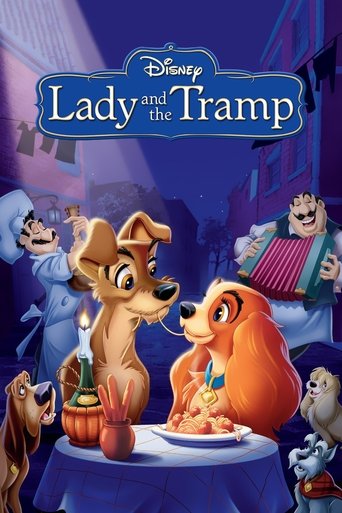
Lady and the Tramp
Is Lady and the Tramp appropriate for your child? See the reviewed age guidance, content cautions, positive themes, and supporting evidence below.
Lady, a golden cocker spaniel, meets up with a mongrel dog who calls himself the Tramp. He is obviously from the wrong side of town, but happenings at Lady's home make her decide to travel with him for a while.
Source checked
Want age- and preference-matched picks?Set up a reader profile on the homepage and Dickens & Rumi will tailor future recommendations.Set up a reader
Where to watch or buy
As an Amazon Associate, Dickens & Rumi may earn from qualifying purchases, at no extra cost to you.
10-second decision
Is this likely to fit your family?
Age guidanceNot listed
Strongest cautionsFrightening scenes 3/5 · Romance 3/5 · Violence 3/5
Strongest positivesCourage & resilience 3/5 · Creativity & curiosity 3/5
Recommendation3/5
Courage & resilience; strongest caution: frightening scenes.
This is the quick scan. Open the evidence and methodology below for the basis behind each rating.
Quick context
What parents should know
Courage & resilience; strongest caution: frightening scenes.
Readiness snapshotMain watch-out: Frightening scenes 3/5
Recommendation 3/5Quick view
At a glance
Recommended ageNot listed
Strongest cautions
- Frightening scenes3/5
- Romance3/5
- Violence3/5
Strongest positives
- Courage & resilience3/5
- Creativity & curiosity3/5
- Good role models3/5
What’s in it?
Checked and not flagged
No concern recorded in these categories
These categories were explicitly scored 0/5 in the published review. This is not a guarantee that every edition or reader experience is identical.
Graphic injury · 0/5
What’s good in it?
Family discussion
Talk about it
Conversation starters based on this title’s published content notes.
- What did courage look like in this story? Was being brave always the same as being fearless?
- Which moment felt most tense or frightening? What helped the characters handle fear?
- Which choice in Lady and the Tramp would you have made differently, and why?
- Who changed the most in Lady and the Tramp, and what caused that change?
Community perspective — separate from editorial ratings
What families noticed
Community ratings and written reactions are a separate layer. They do not automatically change Dickens & Rumi’s official age guidance or content scores.
Add your perspective
Sign in from the homepage to rate this title.
These content notes are a starting point, not a guarantee. Review the evidence and use your own judgment before choosing a title.
Something wrong with this guide? Report age, caution, series, cover, or title issues.