Dickens & Rumi
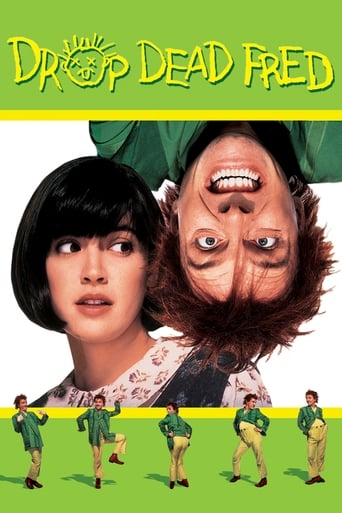
Cover of Drop Dead Fred

film

Drop Dead Fred

1991

An unhappy housewife gets a lift from the return of her imaginary childhood friend, Drop Dead Fred.

Ages 14+Source checked

Why this age? The film includes intense family dysfunction, emotional abuse, marital infidelity, perilous slapstick, frightening medication-related apparent death, and mature psychological themes, despite its comedic fantasy framing. This is guidance, not a safety guarantee; reading level and family context may differ.

Quick view

At a glance

Recommended age14+

Strongest cautions

  • Death of a character3/5
  • Frightening scenes3/5
  • Romance3/5

Strongest positives

  • Creativity & curiosity4/5
  • Courage & resilience3/5
  • Positive messages3/5

What’s in it?

Products & advertising1/5
Why this rating?

Generic product placement common for the era.

Death of a character3/5
Why this rating?

Fred is slowly killed by medication, creating a central and upsetting apparent death. He later returns or is replaced, and no human death is described.

Strong language2/5
Why this rating?

The film reportedly includes mild-to-moderate profanity and rude name-calling, but the supplied passages do not give specific examples or frequency.

Romance3/5
Why this rating?

Marriage, divorce, infidelity, reconciliation, fear of being alone, and a kiss are important to Elizabeth's story.

Frightening scenes3/5
Why this rating?

Fred's disturbing behavior, childhood trauma, pursuit by adults, and the frightening idea of imaginary friends being killed can be unsettling.

Sexual content & nudity1/5
Why this rating?

Contains some crude, suggestive innuendo and sexual references typical of early 90s adult-skewing comedies.

Alcohol or drugs1/5
Why this rating?

References to psychiatric medication.

Violence3/5
Why this rating?

Repeated destructive slapstick includes attacks, property damage, chaos, and a character being tricked into attacking a violinist.

What’s good in it?

Courage & resilience3/5
Why this rating?

Elizabeth faces abandonment, manipulation, childhood trauma, and fear of being alone before asserting herself and choosing independence.

Creativity & curiosity4/5
Why this rating?

Imaginary friends, dream sequences, and inventive fantasy transformations drive the story and encourage imaginative reinterpretation of inner life.

Diverse representation1/5
Why this rating?

Limited racial or cultural diversity typical of 1991 mainstream comedy casting.

Educational value1/5
Why this rating?

Touches on the importance of psychological health, albeit in a surreal comedy framework.

Kindness & empathy2/5
Why this rating?

Friendship and emotional support matter, but much of Fred's help is destructive; reconciliation and caring relationships emerge near the end.

Positive messages3/5
Why this rating?

The story emphasizes self-worth, confronting abuse, rejecting betrayal, healing childhood wounds, and becoming independent rather than pleasing others.

Good role models2/5
Why this rating?

Elizabeth ultimately shows resilience and self-advocacy, though her choices and Fred's behavior are often chaotic, reckless, or harmful.

Family discussion

Talk about it

Conversation starters based on this title’s published content notes.

  1. What was the most imaginative idea in the story, and what would you add to it?
  2. How did the story approach death or loss? What helped the characters cope?
  3. Which choice in Drop Dead Fred would you have made differently, and why?
  4. Who changed the most in Drop Dead Fred, and what caused that change?
Discuss this title with other parents

Community reactions

What families noticed

Add your perspective

Sign in from the homepage to rate this title.

Where to watch or buy

As an Amazon Associate, Dickens & Rumi may earn from qualifying purchases, at no extra cost to you.

These content notes are a starting point, not a guarantee. Review the evidence and use your own judgment before choosing a title.

Report an incorrect rating