Dickens & Rumi
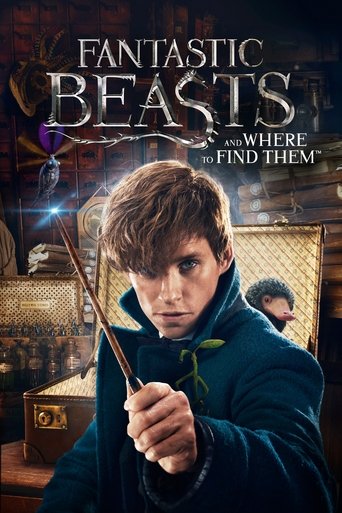
Cover of Fantastic Beasts and Where to Find Them

film

Fantastic Beasts and Where to Find Them

2016

In 1926, Newt Scamander arrives at the Magical Congress of the United States of America with a magically expanded briefcase, which houses a number of dangerous creatures and their habitats. When the creatures escape from the briefcase, it sends the American wizarding authorities after Newt, and threatens to strain even further the state of magical and non-magical relations.

Ages 13+Source checked

Why this age? The film features intense fantasy action, scenes of peril, creatures that can be frightening, and thematic elements involving emotional abuse, character deaths, and dark magical themes. This is guidance, not a safety guarantee; reading level and family context may differ.

Quick view

At a glance

Recommended age13+

Strongest cautions

  • Death of a character4/5
  • Frightening scenes4/5
  • Violence4/5

Strongest positives

  • Creativity & curiosity5/5
  • Courage & resilience4/5
  • Kindness & empathy4/5

What’s in it?

Products & advertising3/5
Why this rating?

The film is part of a major Wizarding World franchise with substantial associated merchandise, though the story itself is not a direct sales pitch.
Death of a character4/5
Why this rating?

Several characters die, including a senator and members of Credence's adopted family; deaths and the threatened destruction of a child are central to the plot.

Graphic injury1/5
Why this rating?

Minor injuries are shown, such as bites and magical bruises, but there is no graphic blood or dismemberment.

Strong language1/5
Why this rating?

Language is generally mild, with occasional insults or exclamations and no indication of frequent strong profanity.

Religious themes1/5
Why this rating?

An anti-witch society uses preaching and religious-sounding rhetoric, but real-world faith, worship, and religious ideas are not a major focus.

Romance2/5
Why this rating?

Mutual attraction, a developing relationship, and a goodbye kiss are present but secondary to the fantasy adventure.

Frightening scenes4/5
Why this rating?

Threatening creatures, supernatural destruction, possession-like transformation, persecution, abusive adults, and tense chases create sustained frightening moments.

Sexual content & nudity1/5
Why this rating?

Very light; some mild flirtation and a brief kiss between characters.

Alcohol or drugs2/5
Why this rating?

Characters frequent a speakeasy and consume alcohol; usage is historical/period appropriate and not glorified.

Violence4/5
Why this rating?

Repeated magical attacks, creature assaults, destruction, arrests, attempted executions, and a climactic battle put characters and civilians in danger.

What’s good in it?

Courage & resilience4/5
Why this rating?

Characters confront dangerous authorities, destructive magic, abuse, and persecution while trying to protect others.

Creativity & curiosity5/5
Why this rating?

The film strongly stimulates imaginative thinking through inventive creatures, magical habitats, shapeshifting, and creative problem-solving.

Diverse representation3/5
Why this rating?

Features an ensemble cast of varying backgrounds and abilities, focusing on inclusivity within its fantasy context.

Educational value1/5
Why this rating?

Incidental; explores themes of conservation and the value of diversity in creatures.

Kindness & empathy4/5
Why this rating?

Care for creatures, empathy for persecuted people, rescue efforts, and cooperation are recurring positive forces in the story.

Positive messages4/5
Why this rating?

It supports compassion toward outsiders, protecting vulnerable people, opposing abuse and prejudice, and using power responsibly rather than coercively.

Good role models3/5
Why this rating?

Newt, Tina, Queenie, and Jacob show loyalty and courage, though some characters break laws or make dangerous choices under pressure.

Family discussion

Talk about it

Conversation starters based on this title’s published content notes.

  1. What was the most imaginative idea in the story, and what would you add to it?
  2. How did the story approach death or loss? What helped the characters cope?
  3. Which choice in Fantastic Beasts and Where to Find Them would you have made differently, and why?
  4. Who changed the most in Fantastic Beasts and Where to Find Them, and what caused that change?
Discuss this title with other parents

Community reactions

What families noticed

Add your perspective

Sign in from the homepage to rate this title.

Where to watch or buy

As an Amazon Associate, Dickens & Rumi may earn from qualifying purchases, at no extra cost to you.

These content notes are a starting point, not a guarantee. Review the evidence and use your own judgment before choosing a title.

Report an incorrect rating