Dickens & Rumi
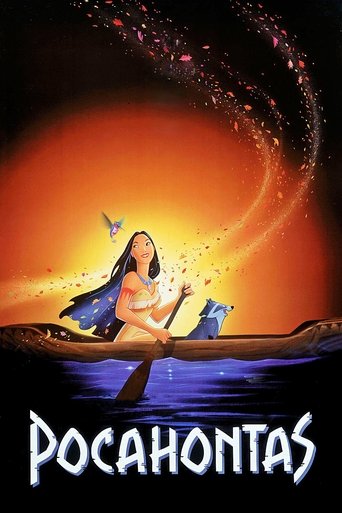
Cover of Pocahontas

film

Pocahontas

1995

Pocahontas, daughter of a Native American tribe chief, falls in love with an English soldier as colonists invade 17th century Virginia.

Ages 7+Source checked

Why this age? Generally family-oriented animation, but conflict, colonization, prejudice, a death, threatened execution, and separation may be intense for younger viewers. Historical treatment is simplified and benefits from adult context. This is guidance, not a safety guarantee; reading level and family context may differ.

Quick view

At a glance

Recommended age7+

Strongest cautions

  • Romance4/5
  • Death of a character3/5
  • Violence3/5

Strongest positives

  • Courage & resilience4/5
  • Kindness & empathy4/5
  • Positive messages4/5

What’s in it?

Products & advertising2/5
Why this rating?

The film is part of a major merchandise franchise, but the story itself does not strongly feature brands or product promotion.

Death of a character3/5
Why this rating?

Kocoum is killed, and the death causes grief and drives major plot consequences; it is not graphically shown.

Graphic injury1/5
Why this rating?

A fatal shooting occurs, but injuries and blood are presented with little graphic detail.

Strong language1/5
Why this rating?

Mild insults and character name-calling relative to colonial prejudice.

Religious themes2/5
Why this rating?

Features indigenous spirituality and references to shamanism as part of the cultural depiction.

Romance4/5
Why this rating?

Pocahontas and John Smith’s cross-cultural romance is central, with attraction, emotional intimacy, and a painful separation.

Frightening scenes2/5
Why this rating?

Tense chases, armed conflict, imprisonment, and threats to loved ones may frighten younger children, though the style is animated.

Alcohol or drugs1/5
Why this rating?

Very brief depictions of pipe smoking by adult characters in a historical context.

Violence3/5
Why this rating?

Repeated cartoon peril includes weapons, fighting, pursuit, imprisonment, and an attempted execution during colonial conflict.

What’s good in it?

Courage & resilience4/5
Why this rating?

Pocahontas repeatedly faces danger and social pressure to defend others and oppose violence, while John Smith accepts personal risk.

Creativity & curiosity3/5
Why this rating?

Songs, imaginative nature imagery, animal companions, and inventive efforts to communicate and prevent conflict encourage imagination.

Diverse representation3/5
Why this rating?

Native American and English characters are central, with an intercultural relationship; representation is prominent but historically simplified and contested.

Educational value2/5
Why this rating?

It introduces colonization, cultural conflict, and early Virginia, but its fictionalized history should not be treated as a reliable lesson alone.

Kindness & empathy4/5
Why this rating?

Compassion, listening, forgiveness, and cooperation are important responses to fear and cultural conflict.

Positive messages4/5
Why this rating?

It emphasizes empathy across cultures, resisting prejudice, protecting nature, questioning authority, and pursuing peace over conquest.

Good role models3/5
Why this rating?

Pocahontas shows empathy, independence, and courage, while some adults model prejudice, aggression, or rigid authority.

Family discussion

Talk about it

Conversation starters based on this title’s published content notes.

  1. What did courage look like in this story? Was being brave always the same as being fearless?
  2. How did relationships or romance affect the characters’ choices?
  3. Which choice in Pocahontas would you have made differently, and why?
  4. Who changed the most in Pocahontas, and what caused that change?
Discuss this title with other parents

Community reactions

What families noticed

Add your perspective

Sign in from the homepage to rate this title.

Where to watch or buy

As an Amazon Associate, Dickens & Rumi may earn from qualifying purchases, at no extra cost to you.

These content notes are a starting point, not a guarantee. Review the evidence and use your own judgment before choosing a title.

Report an incorrect rating