Dickens & Rumi
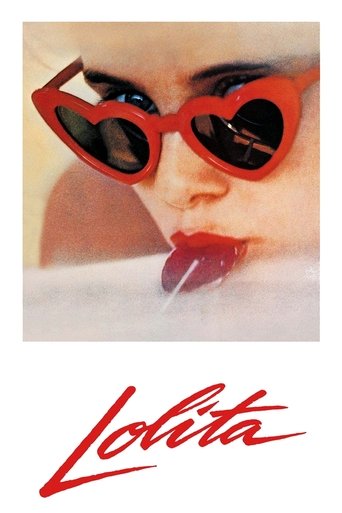
Cover of Lolita

film

Lolita

1962

Humbert Humbert is a middle-aged British novelist who is both appalled by and attracted to the vulgarity of American culture. When he comes to stay at the boarding house run by Charlotte Haze, he soon becomes obsessed with Lolita, the woman's teenaged daughter.

Ages 18+Source checked

Why this age? The film centers on an adult’s sexual obsession with and exploitation of a minor, with manipulation, coercive relationships, death, and emotionally disturbing themes. This is guidance, not a safety guarantee; reading level and family context may differ.

Quick view

At a glance

Recommended age18+

Strongest cautions

  • Sexual content & nudity5/5
  • Romance4/5
  • Death of a character3/5

Strongest positives

  • Creativity & curiosity4/5
  • Positive messages2/5
  • Courage & resilience1/5

What’s in it?

Products & advertising1/5
Why this rating?

Features common mid-20th-century period props and branding.

Death of a character3/5
Why this rating?

The death of a significant character is a pivotal plot point.

Graphic injury1/5
Why this rating?

Minor instances of blood and injury related to the film's climax.

Strong language2/5
Why this rating?

Contains suggestive dialogue and some harsh phrasing consistent with the era.

Romance4/5
Why this rating?

The central theme is a predatory, obsessive, and forbidden 'romance'.

Frightening scenes3/5
Why this rating?

Psychological tension, secrecy, pursuit, manipulation, and danger create a disturbing atmosphere rather than conventional horror.

Sexual content & nudity5/5
Why this rating?

Sexual obsession, seduction, and exploitation of a teenage girl are central. The material is often implied rather than graphically shown, but the adult–minor dynamic is highly disturbing.

Alcohol or drugs2/5
Why this rating?

Smoking and drinking are present, reflective of the mid-century setting.

Violence2/5
Why this rating?

Some aggressive confrontation and a tense, violent climax occur.

What’s good in it?

Courage & resilience1/5
Why this rating?

Little demonstration of positive courage; mostly defiance of social norms.

Creativity & curiosity4/5
Why this rating?

Its literary narration, dark wit, and psychologically complex adaptation can prompt reflection and discussion, though creativity is secondary to the disturbing subject matter.

Diverse representation1/5
Why this rating?

Reflects the limited casting diversity of its time and setting.

Educational value1/5
Why this rating?

Provides historical insight into 1960s American culture and cinematic techniques.

Kindness & empathy1/5
Why this rating?

Kindness is largely absent or used as a tool for manipulation.

Positive messages2/5
Why this rating?

The film exposes manipulation, obsession, and moral decay, but its cynical ambiguity and self-justifying narrator make the cautionary message difficult and unsuitable for children.

Good role models1/5
Why this rating?

The protagonist serves as a deeply flawed and morally compromised figure, not a role model.

Family discussion

Talk about it

Conversation starters based on this title’s published content notes.

  1. What was the most imaginative idea in the story, and what would you add to it?
  2. Were there any mature relationship themes worth talking through together?
  3. Which choice in Lolita would you have made differently, and why?
  4. Who changed the most in Lolita, and what caused that change?
Discuss this title with other parents

Community reactions

What families noticed

Add your perspective

Sign in from the homepage to rate this title.

Where to watch or buy

As an Amazon Associate, Dickens & Rumi may earn from qualifying purchases, at no extra cost to you.

These content notes are a starting point, not a guarantee. Review the evidence and use your own judgment before choosing a title.

Report an incorrect rating