Dickens & Rumi
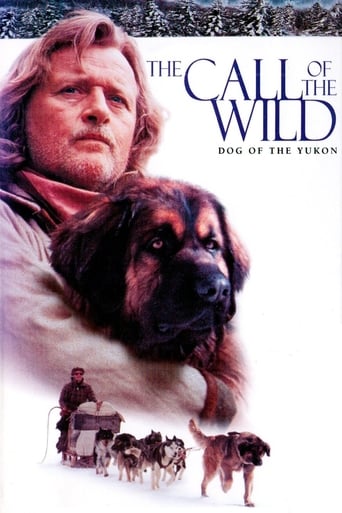
Cover of The Call of the Wild: Dog of the Yukon

film

The Call of the Wild: Dog of the Yukon

1997

Jack London's classic story from 1903 about Buck, a dog kidnapped from his home in California and taken to the Yukon where he is mistreated until a prospector discovers him and relates to his situation. Although the two are bonded, Buck yearns to run free with the wild dogs in the wilderness.

Ages 10+Source checked

Why this age? Animal kidnapping, mistreatment, wilderness danger, and emotionally difficult hardship may distress younger viewers; the family adventure framing and PG rating suggest moderate intensity without strongly mature content. This is guidance, not a safety guarantee; reading level and family context may differ.

Quick view

At a glance

Recommended age10+

Strongest cautions

  • Death of a character3/5
  • Frightening scenes3/5
  • Violence3/5

Strongest positives

  • Courage & resilience4/5
  • Kindness & empathy4/5
  • Positive messages4/5

Keep going

What should you do next?

One review should lead naturally to the next useful choice.

What’s in it?

Death of a character3/5
Why this rating?

Animal deaths and serious loss are part of the harsh Yukon story, with a somber impact, though graphic death scenes are not expected.
Graphic injury1/5
Why this rating?

Some animal injuries or violence may be shown, but the family-TV presentation is unlikely to dwell on blood or graphic wounds.

Strong language1/5
Why this rating?

Expect occasional mild language or insults consistent with a PG family adventure, not strong profanity.

Frightening scenes3/5
Why this rating?

Kidnapping, abuse, wilderness dangers, and threatening animals may be tense or upsetting, especially for younger children.

Alcohol or drugs2/5
Why this rating?

Gold-rush-era prospectors may be shown drinking alcohol; this appears incidental rather than glamorized or central.

Violence3/5
Why this rating?

Includes intense scenes of sled dog fights, animal abuse by cruel owners, and the harsh survival conditions of the Yukon.

What’s good in it?

Courage & resilience4/5
Why this rating?

Buck demonstrates great physical and internal courage throughout his journey.

Creativity & curiosity2/5
Why this rating?

Adaptation of a classic literary work sparks interest in literature and history.

Diverse representation1/5
Why this rating?

The story has a narrow historical Yukon setting, with limited evidence of varied identities or backgrounds receiving substantial focus.

Educational value2/5
Why this rating?

Provides historical context regarding the Klondike Gold Rush.

Kindness & empathy4/5
Why this rating?

Kindness is a central turning point in the relationship between the human and the dog.

Positive messages4/5
Why this rating?

Themes of resilience, the importance of kind treatment, and the integrity of nature.

Good role models3/5
Why this rating?

The prospector serves as a positive example of empathy and respect for animals.

Family discussion

Talk about it

Conversation starters based on this title’s published content notes.

  1. What did courage look like in this story? Was being brave always the same as being fearless?
  2. How did the story approach death or loss? What helped the characters cope?
  3. Which choice in The Call of the Wild: Dog of the Yukon would you have made differently, and why?
  4. Who changed the most in The Call of the Wild: Dog of the Yukon, and what caused that change?
Discuss this title with other parents

Community reactions

What families noticed

Add your perspective

Sign in from the homepage to rate this title.

Where to watch or buy

As an Amazon Associate, Dickens & Rumi may earn from qualifying purchases, at no extra cost to you.

These content notes are a starting point, not a guarantee. Review the evidence and use your own judgment before choosing a title.

Something wrong with this guide? Report age, caution, series, cover, or title issues.