Dickens & Rumi
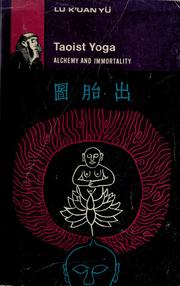
Cover of Taoist yoga

book

Taoist yoga

Chao, Pi Chʻen · 1970

Explore the age guidance, content cautions, positive qualities, and supporting notes for Taoist yoga by Chao, Pi Chʻen. This book is recommended for ages 10+; content notes include Religious themes, Death of a character, Sexual content & nudity; positive qualities include Educational value, Positive messages.

Ages 10+Source checked

Why this age? Content-guidance estimate derived from the complete published caution profile. It does not measure reading difficulty and is not a safety guarantee; family context may differ.

Quick view

At a glance

Recommended age10+

Strongest cautions

  • Religious themes5/5
  • Death of a character1/5
  • Sexual content & nudity1/5

Strongest positives

  • Educational value5/5
  • Positive messages4/5
  • Creativity & curiosity3/5

What’s in it?

Death of a character1/5
Why this rating?

Immortality and overcoming ordinary mortality are relevant ideas, but this is not a story centered on depicted deaths or grief.
Religious themes5/5
Why this rating?

Taoist philosophy, spiritual cultivation, internal alchemy, meditation, and ideas about immortality are the book's central subjects.

Sexual content & nudity1/5
Why this rating?

Some discussion of sexual energy or related Taoist practices may occur, but sexual material is not expected to be explicit or central to the instructional text.

What’s good in it?

Courage & resilience1/5
Why this rating?

Regular practice and facing inner limitations may require persistence, but principled bravery in the face of danger is not a central theme.

Creativity & curiosity3/5
Why this rating?

Its symbolism, meditation, and ideas about inner transformation may encourage imaginative and reflective thinking, though invention is not its main aim.

Diverse representation1/5
Why this rating?

The book focuses on one Taoist tradition and practice system rather than portraying a broad range of identities, backgrounds, or lived experiences.

Educational value5/5
Why this rating?

Teaching Taoist concepts, breathing, posture, meditation, and related practices is the book’s primary purpose.

Kindness & empathy1/5
Why this rating?

Harmony and self-discipline may be encouraged, but empathy, cooperation, caregiving, and interpersonal kindness are not central subjects.

Positive messages4/5
Why this rating?

It presents disciplined practice, balance, meditation, health, and spiritual self-cultivation as desirable goals.

Good role models3/5
Why this rating?

The text encourages disciplined, reflective practitioners, though it is a manual rather than a character-driven story with developed role models.

Family discussion

Talk about it

Conversation starters based on this title’s published content notes.

  1. What is one new thing you learned or became curious about?
  2. What beliefs or religious ideas appear in the story? How do they influence the characters?
  3. Which choice in Taoist yoga would you have made differently, and why?
  4. Who changed the most in Taoist yoga, and what caused that change?
Discuss this title with other parents

Community reactions

What families noticed

Add your perspective

Sign in from the homepage to rate this title.

Where to get it

As an Amazon Associate and Bookshop.org affiliate, Dickens & Rumi may earn a small commission from qualifying purchases, at no extra cost to you.

If you liked this

Try something nearby

Related by age fit, format, and catalogue context.

These content notes are a starting point, not a guarantee. Review the evidence and use your own judgment before choosing a title.

Report an incorrect rating