Dickens & Rumi
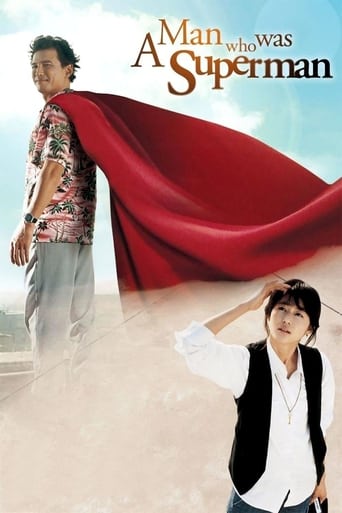
Cover of A Man Who Was Superman

film

A Man Who Was Superman

Age rating, content warnings & parent guide

2008

Is A Man Who Was Superman appropriate for your child? See the reviewed age guidance, content cautions, positive themes, and supporting evidence below.

A snobbish producer makes a documentary about the extraordinary behavior of her neighbor who believes himself to be Superman.

Source checked

Where to watch or buy

As an Amazon Associate, Dickens & Rumi may earn from qualifying purchases, at no extra cost to you.

10-second decision

Is this likely to fit your family?

Age guidanceNot listed
Strongest cautionsDeath of a character 5/5 · Frightening scenes 4/5 · Violence 3/5
Strongest positivesKindness & empathy 5/5 · Positive messages 5/5
Recommendation4.5/5

Kindness & empathy; strongest caution: death of a character.

This is the quick scan. Open the evidence and methodology below for the basis behind each rating.

Quick context

What parents should know

Kindness & empathy; strongest caution: death of a character.

Readiness snapshotMain watch-out: Death of a character 5/5
Recommendation 4.5/5

Editorial rating

How this review was built

Dickens & Rumi editorial
Source checkedPublication method
13Scored categories
13Evidence notes
0Explicit 0/5 checks
Oct 24, 2026Last updated

Dickens & Rumi describes what is present; families decide what matters to them. Community reactions are kept separate from official content ratings.

Review depth13 scored categories13 evidence notes

Quick view

At a glance

Recommended ageNot listed

Strongest cautions

  • Death of a character5/5
  • Frightening scenes4/5
  • Violence3/5

Strongest positives

  • Kindness & empathy5/5
  • Positive messages5/5
  • Courage & resilience4/5

Keep going

What should you do next?

One review should lead naturally to the next useful choice.

What’s in it?

Products & advertising1/5
Why this rating?

Brief mentions of media production and professional settings; no product placement push.

Death of a character5/5
Why this rating?

Central theme involves the death of the protagonist's family and his own eventual death while attempting a heroic rescue.

Graphic injury2/5
Why this rating?

Depicts brief, non-graphic aftermath of accidents; medical procedures mentioned.

Strong language1/5
Why this rating?

No strong profanity or slurs are identified. Some mild conflict-related terms such as “bad guys” appear, but the evidence is limited.

Frightening scenes4/5
Why this rating?

Repeated life-threatening scenes include burning vehicles and buildings, explosions, a collapsing structure, seizures, trapped people, and a child in danger. A major character dies during a rescue.

Violence3/5
Why this rating?

Includes a robbery, political unrest, shooting, dangerous rescues, a burning car and building, falls, and peril involving children and adults.

What’s good in it?

Courage & resilience4/5
Why this rating?

The protagonist consistently displays courage by attempting to help others despite his vulnerability.

Creativity & curiosity3/5
Why this rating?

Magical realism, the Superman perspective, documentary-making, and inventive symbolic storytelling encourage imagination and reflection.

Diverse representation2/5
Why this rating?

Reflects a variety of individuals within a Korean urban social context.

Educational value1/5
Why this rating?

The film offers context about the Gwangju Democratization Movement and explores trauma, public responsibility, media ethics, and mental illness, though education is not its primary aim.

Kindness & empathy5/5
Why this rating?

Kindness is the core driver of the narrative and the protagonist's legacy.

Positive messages5/5
Why this rating?

Strong themes of empathy, selflessness, and the impact of individual actions on the community.

Good role models4/5
Why this rating?

Lee models self-sacrifice and care despite severe trauma; Soo-jung grows from exploitative ambition toward empathy, though Lee’s recklessness is not wholly safe to imitate.

Family discussion

Talk about it

Conversation starters based on this title’s published content notes.

  1. Where did a character show kindness or empathy, and what changed because of it?
  2. How did the story approach death or loss? What helped the characters cope?
  3. Which choice in A Man Who Was Superman would you have made differently, and why?
  4. Who changed the most in A Man Who Was Superman, and what caused that change?
Discuss this title with other parents

Community perspective — separate from editorial ratings

What families noticed

Community signal

Community ratings and written reactions are a separate layer. They do not automatically change Dickens & Rumi’s official age guidance or content scores.

Add your perspective

Sign in from the homepage to rate this title.

These content notes are a starting point, not a guarantee. Review the evidence and use your own judgment before choosing a title.

Something wrong with this guide? Report age, caution, series, cover, or title issues.