Dickens & Rumi
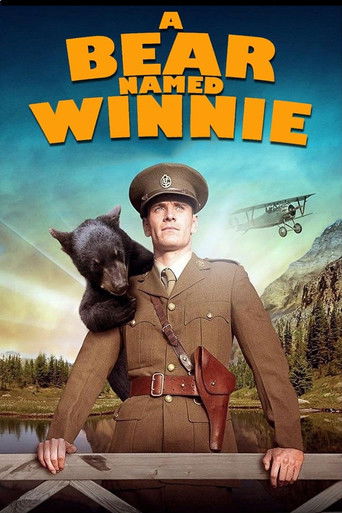
Cover of A Bear Named Winnie

film

A Bear Named Winnie

Age rating, content warnings & parent guide

2004

Is A Bear Named Winnie appropriate for your child? See the reviewed age guidance, content cautions, positive themes, and supporting evidence below.

Based on the true story of a Canadian soldier, enroute to World War I from Winnipeg, who adopts an orphaned bear cub at White River Ontario. It is namned Winnie (for Winnipeg) and eventually ends up at the London Zoo where it became the inspiration for A.A.Milne's Winnie The Pooh stories.

Source checked

Where to watch or buy

As an Amazon Associate, Dickens & Rumi may earn from qualifying purchases, at no extra cost to you.

10-second decision

Is this likely to fit your family?

Age guidanceNot listed
Strongest cautionsViolence 2/5 · Alcohol or drugs 1/5 · Death of a character 1/5
Strongest positivesGood role models 4/5 · Kindness & empathy 4/5
Recommendation3.8/5

Good role models; strongest caution: violence.

This is the quick scan. Open the evidence and methodology below for the basis behind each rating.

Quick context

What parents should know

Good role models; strongest caution: violence.

Readiness snapshotMain watch-out: Violence 2/5
Recommendation 3.8/5

Editorial rating

How this review was built

Dickens & Rumi editorial
Source checkedPublication method
13Scored categories
13Evidence notes
0Explicit 0/5 checks
Oct 23, 2026Last updated

Dickens & Rumi describes what is present; families decide what matters to them. Community reactions are kept separate from official content ratings.

Review depth13 scored categories13 evidence notes

Quick view

At a glance

Recommended ageNot listed

Strongest cautions

  • Violence2/5
  • Alcohol or drugs1/5
  • Death of a character1/5

Strongest positives

  • Good role models4/5
  • Kindness & empathy4/5
  • Positive messages4/5

Keep going

What should you do next?

One review should lead naturally to the next useful choice.

What’s in it?

Death of a character1/5
Why this rating?

World War I provides a background of possible loss, but death does not appear to be a central or graphically depicted part of the story.
Strong language1/5
Why this rating?

Any language appears likely to be mild and period-appropriate; no strong profanity or slurs are indicated.

Romance1/5
Why this rating?

A period drama may include minor romantic or family relationships, but romance is not central to the bear-and-soldier narrative.

Frightening scenes1/5
Why this rating?

War-related danger and possible animal separation create mild tension, but the film is a family drama rather than a horror or intense thriller.

Alcohol or drugs1/5
Why this rating?

Adult soldiers in a World War I setting may use period-typical tobacco, but substance use does not appear central or glamorized.

Violence2/5
Why this rating?

The World War I setting includes military danger and likely limited combat-related violence, but violence is not the film’s main focus and is not described as graphic.

What’s good in it?

Courage & resilience3/5
Why this rating?

Soldiers show duty, and the protagonist acts with care for his charge.

Creativity & curiosity3/5
Why this rating?

Sparks interest in the intersection of real history and classic children's literature.

Diverse representation1/5
Why this rating?

The story focuses on a specific group of Canadian military figures and a historical setting, with limited evidence of broad, central representation across identities.

Educational value3/5
Why this rating?

Offers historical insight into the real origins of a famous cultural icon.

Kindness & empathy4/5
Why this rating?

The core of the film is the gentle relationship between a man and a bear.

Positive messages4/5
Why this rating?

Promotes themes of compassion, responsibility, and the human-animal bond.

Good role models4/5
Why this rating?

The protagonist demonstrates care for animals and duty to his unit.

Family discussion

Talk about it

Conversation starters based on this title’s published content notes.

  1. Which character was the best role model, and what did they do that you admired?
  2. How did the story handle conflict or violence? Did the characters have other choices?
  3. Which choice in A Bear Named Winnie would you have made differently, and why?
  4. Who changed the most in A Bear Named Winnie, and what caused that change?
Discuss this title with other parents

Community perspective — separate from editorial ratings

What families noticed

Community signal

Community ratings and written reactions are a separate layer. They do not automatically change Dickens & Rumi’s official age guidance or content scores.

Add your perspective

Sign in from the homepage to rate this title.

These content notes are a starting point, not a guarantee. Review the evidence and use your own judgment before choosing a title.

Something wrong with this guide? Report age, caution, series, cover, or title issues.