Dickens & Rumi
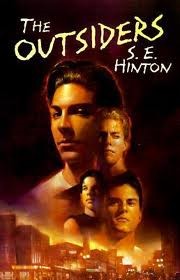
Cover of The Outsiders

book

The Outsiders

S. E. Hinton · 1967

Explore the age guidance, content cautions, positive qualities, and supporting notes for The Outsiders by S. E. Hinton. This book is recommended for ages 13+; content notes include Death of a character, Frightening scenes, Violence; positive qualities include Courage & resilience, Positive messages.

Ages 13+Source checked

Why this age? Frequent teen violence, a killing, multiple deaths, parental loss, gang conflict, grief, and emotionally intense situations require maturity, though sexual content is minimal and consequences are addressed. This is guidance, not a safety guarantee; reading level and family context may differ.

Quick view

At a glance

Recommended age13+

Strongest cautions

  • Death of a character4/5
  • Frightening scenes4/5
  • Violence4/5

Strongest positives

  • Courage & resilience4/5
  • Positive messages4/5
  • Creativity & curiosity3/5

What’s in it?

Death of a character4/5
Why this rating?

Several major characters die during the narrative; themes of grief are central.

Graphic injury2/5
Why this rating?

Mentions of blood and injuries from fights, though not overly graphic.

Strong language2/5
Why this rating?

Uses occasional mild profanity and derogatory language consistent with gang culture.

Romance2/5
Why this rating?

There are brief crushes, attraction, dating relationships, and emotionally meaningful conversations, but romance is not central.

Frightening scenes4/5
Why this rating?

Teenagers face gang attacks, attempted drowning, a deadly church fire, police pursuit, severe injuries, and deaths. The danger is sustained and emotionally intense.

Alcohol or drugs3/5
Why this rating?

Teen characters regularly smoke cigarettes, with some drinking also present. Substance use is part of the setting but is not the main focus and is not presented as consequence-free.

Violence4/5
Why this rating?

Includes brawls, a stabbing death, a near-drowning, and police shooting a character.

What’s good in it?

Courage & resilience4/5
Why this rating?

Teenagers confront danger and grief, rescue trapped children, accept responsibility, and attempt to break a cycle of conflict.

Creativity & curiosity3/5
Why this rating?

Reading, poetry, writing, observation, and Ponyboy's storytelling provide meaningful creative and reflective elements.

Diverse representation1/5
Why this rating?

The novel develops differences in class, family circumstances, and perspectives, but the central cast is largely White and socially similar in region.

Educational value2/5
Why this rating?

The novel offers insight into grief, class conflict, family responsibility, and literature, though teaching is not its primary purpose.

Kindness & empathy3/5
Why this rating?

Characters rescue children, support one another, show empathy across rival groups, and learn to understand others' pain.

Positive messages4/5
Why this rating?

Explores themes of empathy, the cycle of violence, and the common humanity across socioeconomic divides.

Good role models3/5
Why this rating?

Characters show loyalty, courage, and care, but some engage in serious violence, gang conflict, or reckless and criminal behavior.

Family discussion

Talk about it

Conversation starters based on this title’s published content notes.

  1. What did courage look like in this story? Was being brave always the same as being fearless?
  2. How did the story approach death or loss? What helped the characters cope?
  3. Which choice in The Outsiders would you have made differently, and why?
  4. Who changed the most in The Outsiders, and what caused that change?
Discuss this title with other parents

Community reactions

What families noticed

Add your perspective

Sign in from the homepage to rate this title.

Where to get it

As an Amazon Associate and Bookshop.org affiliate, Dickens & Rumi may earn a small commission from qualifying purchases, at no extra cost to you.

If you liked this

Try something nearby

Related by age fit, format, and catalogue context.

These content notes are a starting point, not a guarantee. Review the evidence and use your own judgment before choosing a title.

Report an incorrect rating