Dickens & Rumi
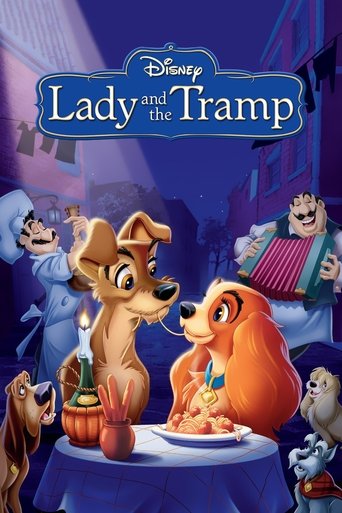
Cover of Lady and the Tramp

film

Lady and the Tramp

1955

Lady, a golden cocker spaniel, meets up with a mongrel dog who calls himself the Tramp. He is obviously from the wrong side of town, but happenings at Lady's home make her decide to travel with him for a while.

Source checked

Quick view

At a glance

Recommended ageNot listed

Strongest cautions

  • Frightening scenes3/5
  • Romance3/5
  • Violence3/5

Strongest positives

  • Courage & resilience3/5
  • Creativity & curiosity3/5
  • Good role models3/5

What’s in it?

Products & advertising1/5
Why this rating?

The film is part of the broader Disney merchandise legacy, though it does not contain overt product placement within the story.

Death of a character2/5
Why this rating?

A rat is killed in a struggle, and it is implied, though not shown, that dogs taken to the pound may face death. It is handled in a way typical of older family animation.

Graphic injury1/5
Why this rating?

No graphic blood or gore. Any injuries or battles are depicted through standard, non-graphic animation techniques.

Romance3/5
Why this rating?

Features a central romantic arc between the two lead dogs, highlighted by their iconic spaghetti dinner scene.

Frightening scenes3/5
Why this rating?

Some scenes with the dogcatcher and the shadowy, aggressive stray dogs may be intense for very young children.

Alcohol or drugs1/5
Why this rating?

Mild depiction of an adult character drinking in a restaurant setting, typical of the era.

Violence3/5
Why this rating?

Contains cartoon fights, particularly when Tramp battles a rat and stray dogs confront each other. Injuries are shown briefly (a character is hit by a wagon).

What’s good in it?

Courage & resilience3/5
Why this rating?

Characters show courage when standing up to bullies or risking themselves for friends.

Creativity & curiosity3/5
Why this rating?

Celebrated for its creative animation style and influential use of CinemaScope.

Diverse representation1/5
Why this rating?

Features a variety of dog breeds with distinct personalities, though humans are primarily of one demographic depiction characteristic of 1950s animation.

Kindness & empathy3/5
Why this rating?

Acts of kindness and protecting those in need are central themes of the story.

Positive messages3/5
Why this rating?

Emphasizes the importance of home, family loyalty, and judging others by their character rather than their status.

Good role models3/5
Why this rating?

Characters display resilience and loyalty. Adult humans are depicted as generally caring, though sometimes oblivious.

Family discussion

Talk about it

Conversation starters based on this title’s published content notes.

  1. What did courage look like in this story? Was being brave always the same as being fearless?
  2. Which moment felt most tense or frightening? What helped the characters handle fear?
  3. Which choice in Lady and the Tramp would you have made differently, and why?
  4. Who changed the most in Lady and the Tramp, and what caused that change?
Discuss this title with other parents

Community reactions

What families noticed

Add your perspective

Sign in from the homepage to rate this title.

Where to watch or buy

As an Amazon Associate, Dickens & Rumi may earn from qualifying purchases, at no extra cost to you.

These content notes are a starting point, not a guarantee. Review the evidence and use your own judgment before choosing a title.

Report an incorrect rating