Dickens & Rumi
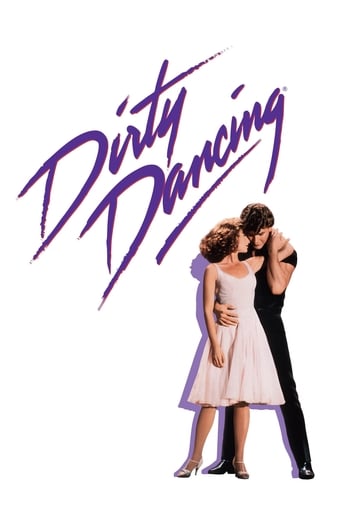
Cover of Dirty Dancing

film

Dirty Dancing

1987

Expecting the usual tedium that accompanies a summer in the Catskills with her family, 17-year-old Frances 'Baby' Houseman is surprised to find herself stepping into the shoes of a professional hoofer—and unexpectedly falling in love.

Ages 14+Source checked

Why this age? The film deals with mature themes including a back-alley abortion, class conflict, and premarital sexual relationships, which are appropriate for mid-to-older teens. This is guidance, not a safety guarantee; reading level and family context may differ.

Quick view

At a glance

Recommended age14+

Strongest cautions

  • Romance5/5
  • Sexual content & nudity3/5
  • Alcohol or drugs2/5

Strongest positives

  • Courage & resilience4/5
  • Creativity & curiosity4/5
  • Kindness & empathy4/5

What’s in it?

Products & advertising1/5
Why this rating?

No significant product placement; incidental background references only.

Graphic injury2/5
Why this rating?

A character is depicted suffering from severe complications following an illegal, botched abortion.

Strong language2/5
Why this rating?

Occasional mild profanity and some insults consistent with the period setting.

Religious themes1/5
Why this rating?

The setting implies a Jewish-American resort culture, but religious practice is not a central theme.

Romance5/5
Why this rating?

The central plot is a passionate summer romance between the two leads, involving kissing and intimate scenes.

Frightening scenes2/5
Why this rating?

Minimal scary content, limited to the tension regarding the medical emergency.

Sexual content & nudity3/5
Why this rating?

The couple spend the night together, with implied sex; pregnancy, abortion, adultery, sexual propositions, and virginity are important mature themes.

Alcohol or drugs2/5
Why this rating?

Social drinking occurs at the resort, typical for the era's vacation setting.

Violence2/5
Why this rating?

Minor physical conflict and bullying occurs, mostly verbal or brief scuffles.

What’s good in it?

Courage & resilience4/5
Why this rating?

Baby risks family approval and social standing to help Penny and defend Johnny; characters face hardship and injustice directly.

Creativity & curiosity4/5
Why this rating?

Dance, choreography, performance, and learning demanding routines are central, encouraging artistic expression and persistence.

Diverse representation2/5
Why this rating?

Deals primarily with class differences in 1960s America rather than broad multicultural diversity.

Educational value2/5
Why this rating?

Offers insight into 1960s social stratification and historical context regarding medical issues like abortion.

Kindness & empathy4/5
Why this rating?

Baby helps Penny, Johnny protects Penny, and characters ultimately show empathy and reconciliation despite prejudice and conflict.

Positive messages4/5
Why this rating?

The film supports empathy, standing against classism, taking responsibility, rejecting exploitation, and correcting unfair judgments.

Good role models3/5
Why this rating?

Baby shows empathy and courage, while Johnny grows morally; secrecy, lying, and some adult behavior create meaningful cautions.

Family discussion

Talk about it

Conversation starters based on this title’s published content notes.

  1. What did courage look like in this story? Was being brave always the same as being fearless?
  2. How did relationships or romance affect the characters’ choices?
  3. Which choice in Dirty Dancing would you have made differently, and why?
  4. Who changed the most in Dirty Dancing, and what caused that change?
Discuss this title with other parents

Community reactions

What families noticed

Add your perspective

Sign in from the homepage to rate this title.

Where to watch or buy

As an Amazon Associate, Dickens & Rumi may earn from qualifying purchases, at no extra cost to you.

These content notes are a starting point, not a guarantee. Review the evidence and use your own judgment before choosing a title.

Report an incorrect rating