Dickens & Rumi
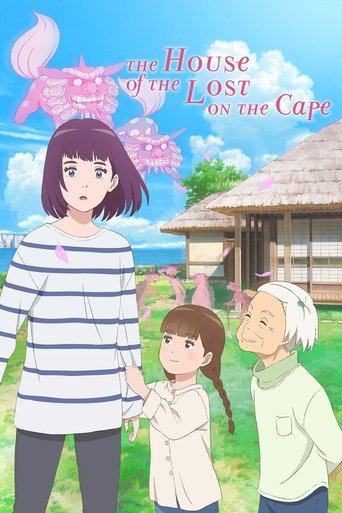
Cover of The House of the Lost on the Cape

film

The House of the Lost on the Cape

2022

A strange old woman allows a teenage runaway and a young orphan to stay in an abandoned house that overlooks the sea. However, when a menacing entity threatens their new home, they must band together and face their fears to save it.

Ages 10+Source checked

Why this age? Best suited to about age 10+: themes of parental loss, disaster-related grief, past family harm, frightening spirits, and danger are balanced by warmth, healing, and hope. This is guidance, not a safety guarantee; reading level and family context may differ.

Quick view

At a glance

Recommended age10+

Strongest cautions

  • Death of a character4/5
  • Frightening scenes3/5
  • Religious themes3/5

Strongest positives

  • Kindness & empathy5/5
  • Courage & resilience4/5
  • Creativity & curiosity4/5

What’s in it?

Death of a character4/5
Why this rating?

Parents and other loved ones are lost in a natural disaster. Grief and remembrance are important themes, but deaths are not shown graphically.
Strong language1/5
Why this rating?

Occasional mild frustration or heated exchanges, standard for family animation.

Religious themes3/5
Why this rating?

Features Japanese folklore and Shinto-inspired spiritual practices regarding guardians and spirits.

Romance1/5
Why this rating?

Romance is not a meaningful part of the story; the central relationships are familial, communal, and supportive.

Frightening scenes3/5
Why this rating?

The Motsumono and other supernatural elements can be menacing, dark, and visually startling for younger viewers.

Violence3/5
Why this rating?

Fantasy battles involving supernatural creatures and magical forces; some intense sequences of destruction.

What’s good in it?

Courage & resilience4/5
Why this rating?

Characters face their fears to protect their home and community despite their vulnerability.

Creativity & curiosity4/5
Why this rating?

Highly imaginative depiction of spirits and the magical 'House of the Lost'.

Diverse representation3/5
Why this rating?

Explores Japanese culture and folklore, featuring a diverse cast of local townspeople and spiritual entities.

Educational value2/5
Why this rating?

Incidental exposure to Japanese folklore concepts and appreciation for nature.

Kindness & empathy5/5
Why this rating?

Care, hospitality, friendship, and building a supportive household are central and repeatedly reinforced.

Positive messages4/5
Why this rating?

Strong themes support mutual care, chosen family, resilience, confronting grief, protecting home, and helping vulnerable people recover.

Good role models4/5
Why this rating?

Characters demonstrate resilience, care for others, and selfless courage.

Family discussion

Talk about it

Conversation starters based on this title’s published content notes.

  1. Where did a character show kindness or empathy, and what changed because of it?
  2. How did the story approach death or loss? What helped the characters cope?
  3. Which choice in The House of the Lost on the Cape would you have made differently, and why?
  4. Who changed the most in The House of the Lost on the Cape, and what caused that change?
Discuss this title with other parents

Community reactions

What families noticed

Add your perspective

Sign in from the homepage to rate this title.

Where to watch or buy

As an Amazon Associate, Dickens & Rumi may earn from qualifying purchases, at no extra cost to you.

These content notes are a starting point, not a guarantee. Review the evidence and use your own judgment before choosing a title.

Something wrong with this guide? Report age, caution, series, cover, or title issues.