Dickens & Rumi
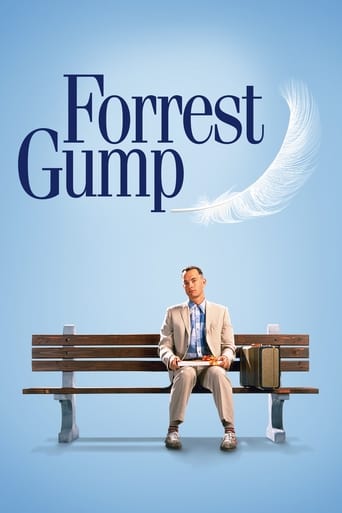
Cover of Forrest Gump

film

Forrest Gump

1994

A man with a low IQ has accomplished great things in his life and been present during significant historic events—in each case, far exceeding what anyone imagined he could do. But despite all he has achieved, his one true love eludes him.

Ages 13+Source checked

Why this age? PG-13 content includes Vietnam combat and injury, deaths and grief, sexual situations, drug use, strong emotional themes, discrimination, and some language. The story also requires maturity to understand its historical and psychological context. This is guidance, not a safety guarantee; reading level and family context may differ.

Quick view

At a glance

Recommended age13+

Strongest cautions

  • Death of a character4/5
  • Alcohol or drugs3/5
  • Frightening scenes3/5

Strongest positives

  • Courage & resilience4/5
  • Kindness & empathy4/5
  • Positive messages4/5

What’s in it?

Products & advertising1/5
Why this rating?

The film includes period brands and products as setting details, but it is not structured as advertising or a buying-oriented story.

Death of a character4/5
Why this rating?

Several important characters die, including in war and from illness; grief and mortality are significant parts of the story.

Graphic injury2/5
Why this rating?

War injuries and amputations are shown or discussed, but graphic blood and bodily detail are limited.

Strong language3/5
Why this rating?

Some profanity, insults, and crude or offensive expressions occur, including language connected with war and discrimination.

Religious themes2/5
Why this rating?

Religious themes and church attendance are occasionally referenced.

Romance3/5
Why this rating?

Forrest's lifelong love and relationship with Jenny are central, including affection, intimacy, separation, and family themes.

Frightening scenes3/5
Why this rating?

War combat, danger, injuries, and emotionally intense events may frighten some viewers, though the film’s overall tone is reflective rather than horror-focused.

Sexual content & nudity2/5
Why this rating?

Sexual situations, implied activity, brief nudity, and references to sexual relationships occur without explicit detail.

Alcohol or drugs3/5
Why this rating?

Drug use and addiction are important to Jenny's storyline; drinking and smoking also appear, with serious consequences rather than simple endorsement.

Violence3/5
Why this rating?

Vietnam combat, battlefield danger, fights, abuse, and historical unrest include moderate violence, though much is not graphically depicted.

What’s good in it?

Courage & resilience4/5
Why this rating?

Characters face war, disability, grief, trauma, illness, and social rejection; courage is often shown through persistence and care.

Creativity & curiosity2/5
Why this rating?

The film encourages imaginative reflection through its unusual life story and storytelling structure, but inventive problem-solving is not a central educational aim.

Diverse representation2/5
Why this rating?

The film includes Black characters, disabled characters, veterans, single parents, and varied social backgrounds, though representation is filtered through Forrest's viewpoint.

Educational value2/5
Why this rating?

The story introduces major U.S. historical events and social movements through a fictional personal perspective, though teaching is not its primary intent.

Kindness & empathy4/5
Why this rating?

Friendship, caregiving, loyalty, and empathy are recurring strengths, especially in Forrest's relationships with people facing hardship.

Positive messages4/5
Why this rating?

Strong themes support loyalty, perseverance, compassion, family, accepting differences, and living through hardship, while also showing painful consequences.

Good role models3/5
Why this rating?

Forrest is loyal, hardworking, honest, and caring, though some choices by other characters involve trauma, addiction, or poor judgment.

Family discussion

Talk about it

Conversation starters based on this title’s published content notes.

  1. What did courage look like in this story? Was being brave always the same as being fearless?
  2. How did the story approach death or loss? What helped the characters cope?
  3. Which choice in Forrest Gump would you have made differently, and why?
  4. Who changed the most in Forrest Gump, and what caused that change?
Discuss this title with other parents

Community reactions

What families noticed

Add your perspective

Sign in from the homepage to rate this title.

Where to watch or buy

As an Amazon Associate, Dickens & Rumi may earn from qualifying purchases, at no extra cost to you.

These content notes are a starting point, not a guarantee. Review the evidence and use your own judgment before choosing a title.

Report an incorrect rating