Dickens & Rumi
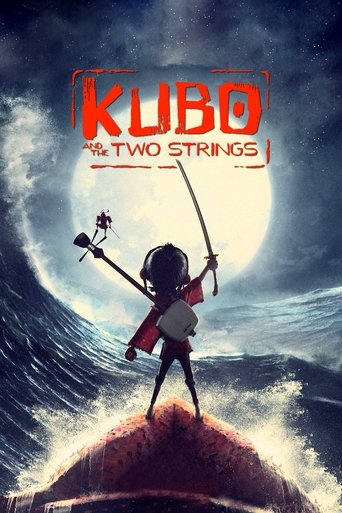
Cover of Kubo and the Two Strings

film

Kubo and the Two Strings

2016

Kubo mesmerizes the people in his village with his magical gift for spinning wild tales with origami. When he accidentally summons an evil spirit seeking vengeance, Kubo is forced to go on a quest to solve the mystery of his fallen samurai father and his mystical weaponry, as well as discover his own magical powers.

Ages 10+Source checked

Why this age? The film combines sustained fantasy danger with frightening creatures, a child threatened with eye removal, parental loss, a character's death, grief, and emotionally complex family conflict. This is guidance, not a safety guarantee; reading level and family context may differ.

Quick view

At a glance

Recommended age10+

Strongest cautions

  • Death of a character4/5
  • Frightening scenes4/5
  • Violence3/5

Strongest positives

  • Courage & resilience5/5
  • Creativity & curiosity5/5
  • Positive messages5/5

What’s in it?

Products & advertising1/5
Why this rating?

Standard merchandising exists, but the film itself is not promotional.

Death of a character4/5
Why this rating?

The death of parents is central to the plot and is handled with emotional weight and focus on grief and memory.

Graphic injury1/5
Why this rating?

Some minor injuries and brief depictions of magical combat impact, but kept within PG standards for animation.

Religious themes2/5
Why this rating?

Bon Festival traditions, spirits, ancestors, reincarnation, heaven, and the spirit world are prominent fantasy-spiritual elements.

Romance2/5
Why this rating?

An adult backstory includes love between Kubo's mother and father; romance is meaningful but not a main focus for the child protagonist.

Frightening scenes4/5
Why this rating?

Supernatural villains, frightening sisters, a giant skeleton, an eye-filled sea monster, possession-like peril, and threatening pursuit may strongly frighten children.

Violence3/5
Why this rating?

Frequent fantasy battles, attacks, swordplay, monster pursuit, and characters being wounded or killed; violence is stylized but often intense.

What’s good in it?

Courage & resilience5/5
Why this rating?

Kubo repeatedly shows bravery in the face of insurmountable odds to save those he loves.

Creativity & curiosity5/5
Why this rating?

Exceptionally creative animation and storytelling techniques inspired by origami and folk art.

Diverse representation3/5
Why this rating?

The film explores Japanese mythology, featuring a cast and cultural setting, though critiqued for some casting choices.

Educational value2/5
Why this rating?

Offers incidental exposure to Japanese settings, samurai imagery, Bon traditions, origami, storytelling, and a shamisen.

Kindness & empathy4/5
Why this rating?

Care for family, self-sacrifice, forgiveness, empathy, and compassion toward even a transformed antagonist are central to the resolution.

Positive messages5/5
Why this rating?

Strong themes of empathy, the importance of family, memory, and choosing forgiveness over vengeance.

Good role models4/5
Why this rating?

Kubo shows perseverance and compassion; allies protect one another, while harmful choices are challenged and ultimately rejected.

Family discussion

Talk about it

Conversation starters based on this title’s published content notes.

  1. What did courage look like in this story? Was being brave always the same as being fearless?
  2. How did the story approach death or loss? What helped the characters cope?
  3. Which choice in Kubo and the Two Strings would you have made differently, and why?
  4. Who changed the most in Kubo and the Two Strings, and what caused that change?
Discuss this title with other parents

Community reactions

What families noticed

Add your perspective

Sign in from the homepage to rate this title.

Where to watch or buy

As an Amazon Associate, Dickens & Rumi may earn from qualifying purchases, at no extra cost to you.

These content notes are a starting point, not a guarantee. Review the evidence and use your own judgment before choosing a title.

Report an incorrect rating