Dickens & Rumi
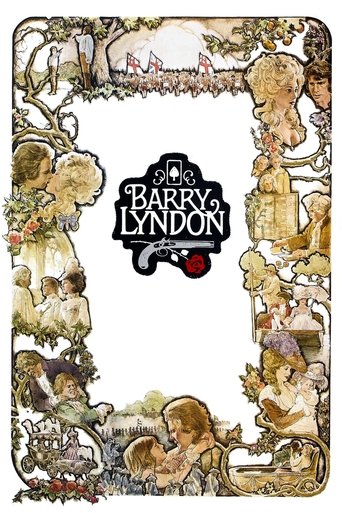
Cover of Barry Lyndon

film

Barry Lyndon

1975

An Irish rogue uses his cunning and wit to work his way up the social classes of 18th century England, transforming himself from the humble Redmond Barry into the noble Barry Lyndon.

Ages 14+Source checked

Why this age? The film contains battlefield violence, fatal duels, adult sexual relationships, drinking, gambling, emotional betrayal, and mature themes; its slow pace and complex moral perspective also suit older teens. This is guidance, not a safety guarantee; reading level and family context may differ.

Quick view

At a glance

Recommended age14+

Strongest cautions

  • Death of a character4/5
  • Alcohol or drugs3/5
  • Romance3/5

Strongest positives

  • Creativity & curiosity3/5
  • Educational value3/5
  • Positive messages3/5

What’s in it?

Death of a character4/5
Why this rating?

Several important characters die, including through war and dueling; grief and loss have major consequences for the protagonist.
Graphic injury2/5
Why this rating?

Some moderate injuries are shown following duels, including blood and aftermath, but not excessive.

Strong language2/5
Why this rating?

Language is period-appropriate and generally formal, reflecting 18th-century social decorum.

Religious themes1/5
Why this rating?

Minimal formal religious practice shown, though the setting implies the role of the established church.

Romance3/5
Why this rating?

Marriage, affairs, seduction, jealousy, and romantic manipulation are central to Barry's social advancement and personal life.

Frightening scenes2/5
Why this rating?

The tone is often tense and somber, but not horror or thriller.

Sexual content & nudity2/5
Why this rating?

Implied sexual activity and some mild suggestiveness in the context of the era's social norms.

Alcohol or drugs3/5
Why this rating?

Alcohol, tobacco, and gambling culture appear among adults, reflecting the period and the characters' social lives.

Violence3/5
Why this rating?

War scenes, beatings, fencing, and pistol duels occur. Violence is generally restrained and stylized, but deaths and combat are significant.

What’s good in it?

Courage & resilience2/5
Why this rating?

Courage is shown in war, though often overshadowed by the protagonist's survival instincts.

Creativity & curiosity3/5
Why this rating?

Highly esteemed for its innovative cinematography, lighting, and historical design.

Diverse representation1/5
Why this rating?

Reflects the specific historical demographics of 18th-century European aristocracy.

Educational value3/5
Why this rating?

Offers insight into 18th-century social hierarchies, military life, and European costume drama aesthetics.

Kindness & empathy2/5
Why this rating?

Kindness is shown in specific domestic relationships, but the world portrayed is largely transactional.

Positive messages3/5
Why this rating?

The story cautions against opportunism, vanity, class obsession, deception, and the pursuit of status at the expense of integrity.

Good role models1/5
Why this rating?

Barry is charismatic but manipulative, opportunistic, and morally compromised; the film presents his choices as cautionary rather than exemplary.

Family discussion

Talk about it

Conversation starters based on this title’s published content notes.

  1. What was the most imaginative idea in the story, and what would you add to it?
  2. How did the story approach death or loss? What helped the characters cope?
  3. Which choice in Barry Lyndon would you have made differently, and why?
  4. Who changed the most in Barry Lyndon, and what caused that change?
Discuss this title with other parents

Community reactions

What families noticed

Add your perspective

Sign in from the homepage to rate this title.

Where to watch or buy

As an Amazon Associate, Dickens & Rumi may earn from qualifying purchases, at no extra cost to you.

These content notes are a starting point, not a guarantee. Review the evidence and use your own judgment before choosing a title.

Report an incorrect rating