Dickens & Rumi
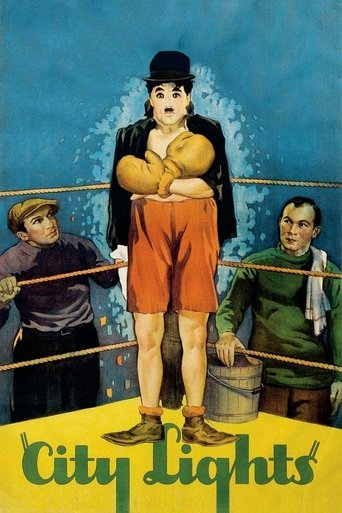
Cover of City Lights

film

City Lights

1931

A tramp falls in love with a beautiful blind flower girl. His on-and-off friendship with a wealthy man allows him to be the girl's benefactor and suitor.

Ages 7+Source checked

Why this age? Generally gentle and comedic, but young viewers may need support with a suicide attempt, poverty, imprisonment, alcohol misuse, disability-related vulnerability, and emotionally poignant separation. This is guidance, not a safety guarantee; reading level and family context may differ.

Quick view

At a glance

Recommended age7+

Strongest cautions

  • Romance4/5
  • Alcohol or drugs3/5
  • Frightening scenes2/5

Strongest positives

  • Kindness & empathy5/5
  • Creativity & curiosity4/5
  • Positive messages4/5

What’s in it?

Death of a character1/5
Why this rating?

No character death is identified; the millionaire's suicide attempt is unsuccessful.

Romance4/5
Why this rating?

Romance drives the story: the Tramp falls in love, helps the flower girl, and shares an emotional recognition at the end. The relationship is tender, innocent and nonsexual.

Frightening scenes2/5
Why this rating?

Brief tension comes from a suicide attempt, burglary, police pursuit, boxing, illness, and eviction, but the tone remains largely comic and reassuring.

Alcohol or drugs3/5
Why this rating?

The millionaire character is frequently intoxicated, which serves as a recurring plot point and comedic device.

Violence2/5
Why this rating?

Slapstick peril, a boxing match, a knockout, and a millionaire being struck by burglars occur without sustained realistic violence.

What’s good in it?

Courage & resilience3/5
Why this rating?

The Tramp faces poverty, illness, physical defeat, arrest, and uncertainty with persistence and self-sacrificing courage.

Creativity & curiosity4/5
Why this rating?

A masterpiece of visual storytelling, pantomime, and original film scoring.

Diverse representation1/5
Why this rating?

Features a person with a disability (blindness) as the central character, handled with empathy for its time.

Educational value1/5
Why this rating?

Provides significant educational value regarding film history and the silent era of cinema.

Kindness & empathy5/5
Why this rating?

Kindness is the driving force of the narrative, rewarded by the emotional climax of the story.

Positive messages4/5
Why this rating?

Highlights profound themes of empathy, self-sacrifice, and the dignity of the underprivileged.

Good role models3/5
Why this rating?

The Tramp shows remarkable generosity and loyalty, though he also participates in deception and evades police; the millionaire is a mixed example.

Family discussion

Talk about it

Conversation starters based on this title’s published content notes.

  1. Where did a character show kindness or empathy, and what changed because of it?
  2. How did relationships or romance affect the characters’ choices?
  3. Which choice in City Lights would you have made differently, and why?
  4. Who changed the most in City Lights, and what caused that change?
Discuss this title with other parents

Community reactions

What families noticed

Add your perspective

Sign in from the homepage to rate this title.

Where to watch or buy

As an Amazon Associate, Dickens & Rumi may earn from qualifying purchases, at no extra cost to you.

These content notes are a starting point, not a guarantee. Review the evidence and use your own judgment before choosing a title.

Report an incorrect rating