Death of a character2/5
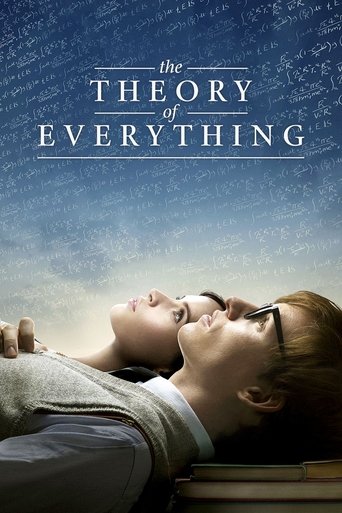
film
The Theory of Everything
Is The Theory of Everything appropriate for your child? See the reviewed age guidance, content cautions, positive themes, and supporting evidence below.
Once a healthy, active young man, Hawking received an earth-shattering diagnosis at 21 years of age. With Jane fighting tirelessly by his side, Stephen embarks on his most ambitious scientific work, studying the very thing he now has precious little of – time.
Ages 13+Source checked
Want age- and preference-matched picks?Set up a reader profile on the homepage and Dickens & Rumi will tailor future recommendations.Set up a reader
Where to watch or buy
As an Amazon Associate, Dickens & Rumi may earn from qualifying purchases, at no extra cost to you.
10-second decision
Is this likely to fit your family?
Age guidanceAges 13+
Strongest cautionsRomance 4/5 · Death of a character 2/5 · Frightening scenes 2/5
Strongest positivesCourage & resilience 5/5 · Creativity & curiosity 4/5
Recommendation4.3/5
Courage & resilience; strongest caution: romance.
This is the quick scan. Open the evidence and methodology below for the basis behind each rating.
Quick context
What parents should know
PG-13 drama involving motor neuron disease, disability, marital strain, infidelity-related relationship issues, and emotionally intense medical themes; little graphic violence or sexual content. This is guidance, not a safety guarantee; reading level and family context may differ. Courage & resilience; strongest caution: romance.
Readiness snapshotAge guidance: 13+Main watch-out: Romance 4/5
Recommendation 4.3/5Quick view
At a glance
Recommended age13+
Strongest cautions
- Romance4/5
- Death of a character2/5
- Frightening scenes2/5
Strongest positives
- Courage & resilience5/5
- Creativity & curiosity4/5
- Good role models4/5
What’s in it?
What’s good in it?
Family discussion
Talk about it
Conversation starters based on this title’s published content notes.
- What did courage look like in this story? Was being brave always the same as being fearless?
- How did relationships or romance affect the characters’ choices?
- Which choice in The Theory of Everything would you have made differently, and why?
- Who changed the most in The Theory of Everything, and what caused that change?
Community perspective — separate from editorial ratings
What families noticed
Community ratings and written reactions are a separate layer. They do not automatically change Dickens & Rumi’s official age guidance or content scores.
Add your perspective
Sign in from the homepage to rate this title.
These content notes are a starting point, not a guarantee. Review the evidence and use your own judgment before choosing a title.
Something wrong with this guide? Report age, caution, series, cover, or title issues.